
AODD Pump Air Valve Rebuild: Complete Guide
The air valve is the brain of an AODD pump — and the #1 cause of stalling and erratic cycling. Here's how to diagnose, rebuild and prevent air valve failure.
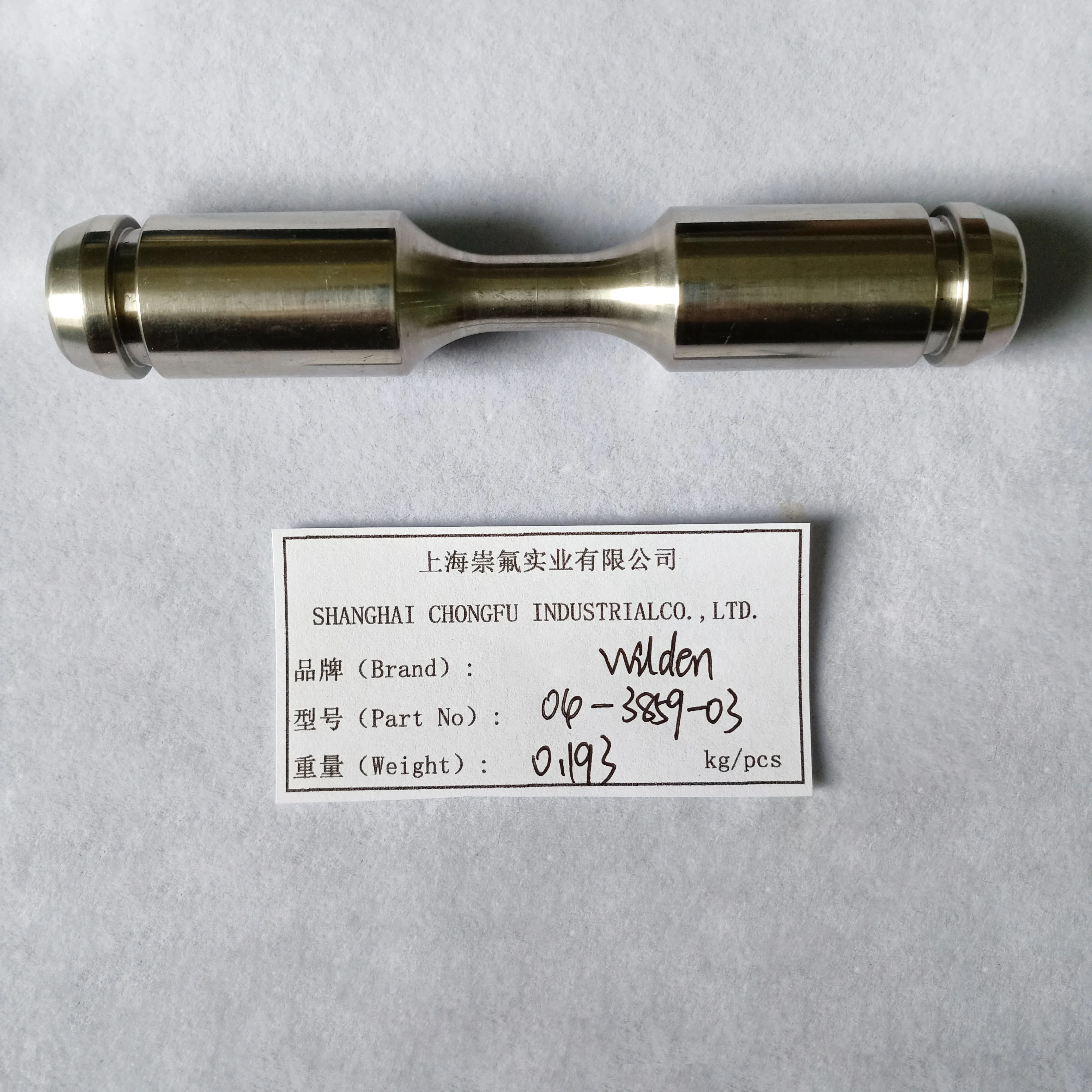
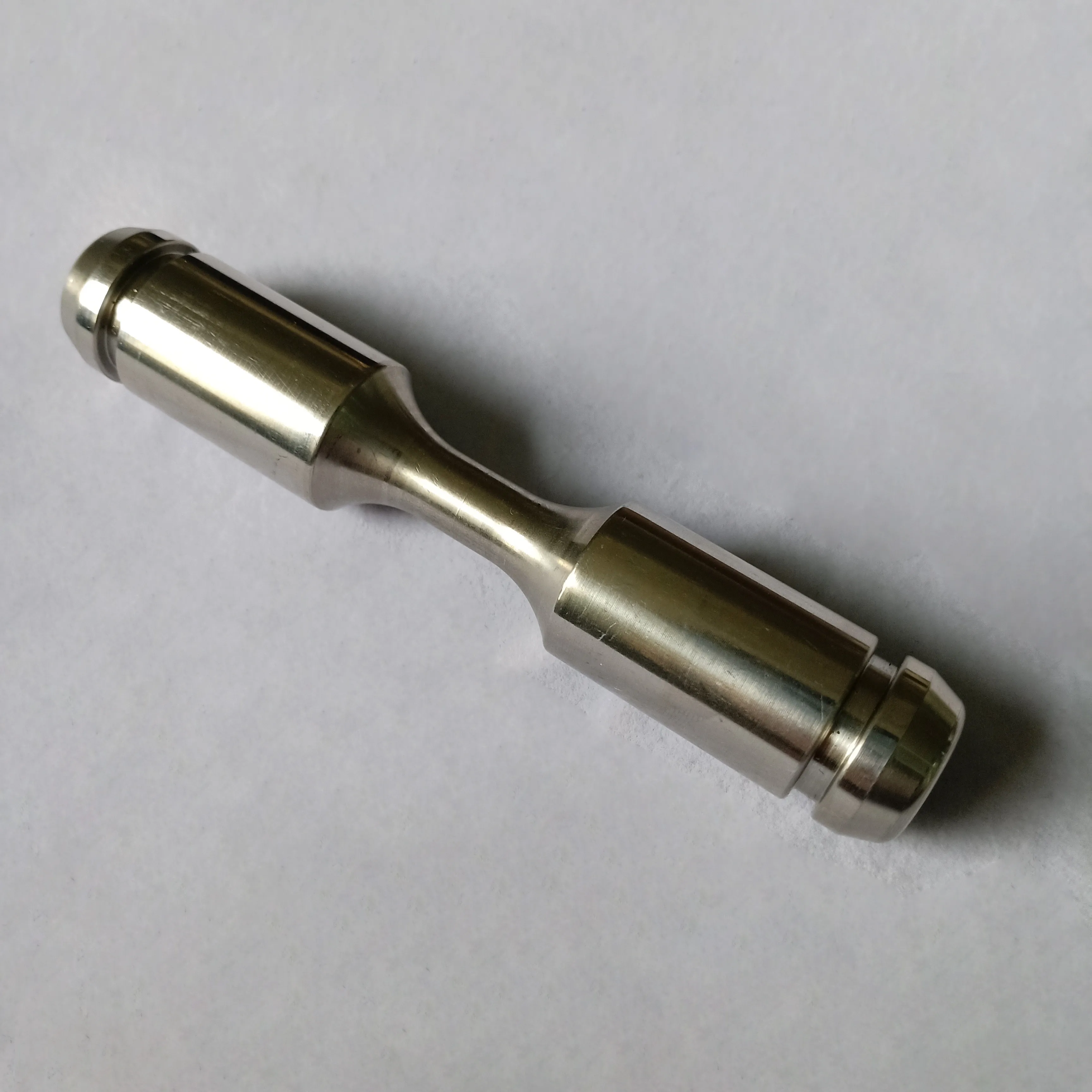
What the Air Valve Does
The air valve directs compressed air alternately to each diaphragm chamber. When one chamber pressurizes, the other exhausts — creating the reciprocating motion that pumps fluid. It's a small, precision assembly of a spool, pilot valves, gaskets and O-rings, and it cycles every stroke of the pump. That means it's the hardest-working component in the pump — and the first to wear.
Air Valve Failure Symptoms
- Stalling — the pump stops mid-stroke and won't restart. The classic air valve symptom.
- Erratic cycling — the pump runs unevenly, hesitates, or changes speed randomly.
- Slow cycling — the pump runs but much slower than normal.
- High air consumption — the pump uses more air than its output justifies.
- No startup — the pump won't move at all, even with clean air supply.
- Audible hissing — internal air leakage past worn gaskets.
If you've confirmed air supply is good (pressure and volume) and the pump still misbehaves, the air valve is the prime suspect.
Air Valve vs Diaphragm: Which One First?
Quick diagnostic: stall + won't restart = air valve. Fluid in the exhaust = diaphragm. Flow loss without stall = diaphragms and check valves. When in doubt, inspect the air valve first — it's faster to check and its failure is more common than people think.
Air Valve Kit Contents
A typical air valve rebuild kit includes:
- Spool / pilot valve assembly — the switching core.
- Gaskets — sealing between valve and center section.
- O-rings — all sizes used in the valve body.
- Seals — any bushings or wear rings.
Everything needed for an air-side rebuild in one SKU. See our Air Valve Kits page for cross-referenced kits (Wilden 02/04/08-2000-01, ARO 637118-C, and more).
Step-by-Step Air Valve Rebuild
- Isolate the pump — close the air supply and vent all air pressure. Lock out if your plant requires it.
- Remove the air valve cover — unbolt the cover plate; note bolt positions and any orientation marks.
- Extract the valve assembly — carefully slide out the spool/pilot assembly. Lay parts out in order on a clean surface — orientation matters.
- Clean the valve body — remove old gasket material and debris. Check the body for scoring or cracks.
- Install new seals — fit the new O-rings, gaskets and spool exactly per the kit layout. A thin film of compatible lubricant helps the first cycles.
- Reassemble — reverse the disassembly order, torque the cover to spec (overtightening warps the valve body).
- Test — restore air, cycle the pump at low pressure, confirm smooth even cycling before full duty.
Pro tip: take photos at each disassembly step. Air valve rebuilds fail most often from misoriented parts, not bad parts.
How Often to Rebuild the Air Valve
| Duty | Rebuild Interval |
|---|---|
| Continuous harsh service | 6-12 months |
| Standard industrial | 12-24 months |
| Light intermittent | 2-3 years |
Rebuild on symptoms, not just schedule: if the pump stalls more than once a month or cycles erratically, don't wait for the interval — rebuild now.
Preventing Air Valve Failure
- Install an FRL unit — filter, regulator, lubricator. Clean dry air is 80% of air valve longevity.
- Drain the FRL regularly — condensate in the air line is the #1 contaminant killer.
- Don't over-lubricate — some valves are designed for oil-free air; excess oil gums the spool.
- Keep air pressure within limits — over-pressure stresses the valve seals.
- Use the right muffler — a clogged or wrong muffler restricts exhaust and back-pressures the valve.
Rebuild vs Replace
On most AODD pumps, the air valve is a serviceable assembly: a rebuild kit (gaskets, O-rings, spool) restores it for a fraction of the cost of a new valve. Replace the whole valve only if the body is cracked, scored, or the pump model is obsolete. A rebuild kit is typically $20-80 versus $100-400 for a new valve.
OEM-Compatible Air Valve Kits
We supply air valve kits cross-referenced to major brands: Wilden (02-2000-01 for P2, 04-2000-01 for P4, 08-2000-01 for P8), ARO (637118-C air section service kit, 637119-61-C fluid section repair kit) and more. Confirm your pump model and kit scope before ordering — see our Air Valve Kits page.
Air Valve Design Types on Modern AODD Pumps
Not all air valves are the same. Understanding the design on your pump explains a lot about its failure patterns and service requirements:
| Design | How It Works | Typical Failure Mode |
|---|---|---|
| Pilot-operated spool valve | A small pilot valve shifts a main spool that switches airflow to each chamber | Pilot ports clog with dirt/moisture → stall |
| Unbalanced spool | Air pressure acts directly on spool ends to shift it | Spool wear → internal leakage → slow cycling |
| Balanced spool | Equal pressure areas reduce shifting force needed | O-ring wear on spool → air bypass |
| Poppet / disc valve | Discs lift to switch air paths (common on budget pumps) | Disc warping or debris → no switch |
Most industrial AODD pumps (Wilden, ARO, Sandpiper, Yamada) use pilot-operated spool valves. That's good news: the spool is a serviceable part, and the rebuild kit restores the whole air-side in one session.
How the Air Valve Cycles: A Stroke-by-Stroke Walkthrough
Understanding the switching sequence helps you diagnose whether a symptom is air-side or fluid-side:
- Air enters the inlet port and pressurizes the first chamber through the spool.
- Diaphragm 1 extends, pushing fluid out of chamber 1 through the discharge check valve.
- Simultaneously, the connecting shaft pulls diaphragm 2 inward, drawing fluid into chamber 2.
- At end of stroke, the pilot valve trips — shifting the spool to switch air to chamber 2.
- Diaphragm 2 extends, discharging its fluid while diaphragm 1 retracts and refills.
- The cycle repeats — each spool shift is one pump stroke.
If the pump stalls exactly at stroke end (the "end-of-stroke stall"), the pilot valve isn't tripping — dirt, moisture or a worn pilot is the cause. If it stalls mid-stroke, look at air supply or spool position first.
Air Valve Part Number Reference (OEM Cross-Reference)
Air valve kits are model-specific. Use this quick reference to confirm what fits your pump before ordering:
| Brand | OEM Part # | Fits | Kit Scope |
|---|---|---|---|
| Wilden | 02-2000-01 | P2 series (1/4") | Air valve assembly |
| Wilden | 04-2000-01 | P4 series (1/2") | Air valve assembly |
| Wilden | 08-2000-01 | P8 series (1") | Air valve assembly |
| ARO | 637118-C | EXP/PRO series | Air section service kit |
| ARO | 637119-61-C | EXP/PRO series | Fluid section repair kit |
| Sandpiper | 477-xxx series | SB/S models | Air section kit |
| Graco Husky | Husky kit per model | 1040/1590/2150 | Air section service |
Full cross-reference with our compatible part numbers is on the Air Valve Kits page — search by OEM number or pump model.
Three Real-World Air Valve Failure Stories
Case 1: The Weekend Stall. A paint line pump stalled every Monday morning after shutdown. Diagnosis: condensate collected in the air line over the weekend, then froze or gummed the pilot valve. Fix: drainable FRL + automatic condensate trap. The air valve was fine — the air wasn't.
Case 2: The "New Pump" That Never Worked. A plant installed a new pump that stalled from day one. Diagnosis: the air supply line was 3/8" for a 1" pump — massive pressure drop under flow. The air valve was starved of volume. Fix: upsized air line. Lesson: check air volume, not just pressure.
Case 3: The Rebuild That Didn't Take. A technician rebuilt an air valve twice and it still stalled. Diagnosis: the muffler was clogged solid with dried paint, back-pressuring the exhaust so the spool couldn't shift. Fix: clean/replace the muffler. Lesson: check the exhaust path — it's part of the air circuit.
Air Valve Maintenance Schedule
| Interval | Action |
|---|---|
| Weekly | Drain FRL; listen for irregular cycling; check muffler for buildup |
| Monthly | Inspect exhaust for oil/moisture; verify cycle rate is stable |
| Quarterly | Remove and inspect air valve cover; check spool for scoring; clean ports |
| Annually | Rebuild air valve with OEM-compatible kit; replace muffler |
Track rebuild dates on the pump nameplate or a maintenance log — air valve life is predictable enough that scheduling beats reacting.
Tools You'll Need for an Air Valve Rebuild
An air valve rebuild is a hand-tool job. Assemble these before you start so you're not hunting mid-task:
- Hex/Allen key set — most valve covers use metric or imperial socket-head bolts.
- Screwdrivers — flat and Phillips for retainers and clips.
- Torque wrench — valve cover bolts are low-torque (typically 4-8 Nm); overtightening warps the body.
- O-ring pick set — for removing old seals without scratching the grooves.
- Clean lint-free cloth — the valve chamber must be spotless.
- Compatible lubricant — a light silicone or PTFE grease for seals (check the kit instructions; some valves run dry).
- Magnifying light — scoring and debris are easy to miss in a dim pump room.
- Parts tray with labeled compartments — orientation is everything; don't rely on memory.
If the pump is in a process-critical line, have the new kit open and confirmed complete before you break the first bolt. There's nothing worse than a half-rebuilt pump waiting on a missing O-ring.
Rebuild Kit vs New Valve: The Cost Decision
Here's the honest math on rebuild vs replace:
| Option | Typical Cost | When It Makes Sense |
|---|---|---|
| Rebuild kit (gaskets, O-rings, spool) | $20-80 | Valve body intact; standard wear; most cases |
| New complete air valve | $100-400 | Cracked/scored body, obsolete model, or a second rebuild in under a year |
| Whole new pump | $150-1500 | Pump is 10+ years old, multiple failures, or the body is corroded |
Rule of thumb: if the valve body is undamaged, rebuild twice before replacing the valve. If a second rebuild fails within a year, the root cause is upstream — air quality — and no amount of parts will fix it until the FRL problem is solved.
Air Quality Is the Real Root Cause
Every premature air valve failure I've seen traces back to the air supply. Three contaminants kill air valves:
- Water (condensate) — rusts the spool, washes away lubrication, and freezes in cold weather. Fix: air dryer or at minimum a well-drained FRL.
- Dirt and scale — from old steel piping. Fix: a 5-micron filter element, changed on schedule.
- Oil — over-lubricated compressors gum the spool. Fix: coalescing filter, and check the compressor's oil carryover.
The FRL (filter-regulator-lubricator) is not optional on an AODD pump — it's the difference between a 6-month air valve life and a 3-year life. If your pump stalls more than once a quarter, audit the air quality before you touch the valve again.
Bench Test Before Reinstall: The 2-Minute Check
You can test a rebuilt air valve before it ever goes back on the pump. This catches assembly errors while the pump is still apart:
- Connect the valve to an air supply at the pump's rated pressure (or lower, 2-3 bar is enough).
- Cycle it by hand — most spool valves can be shifted manually. You should feel smooth, positive detents.
- Check both outputs — with the spool in one position, air flows to output A and exhausts from B; shift it, and the pattern reverses. No flow on either output = blocked port or misoriented spool.
- Listen for leaks — hissing from the body means a gasket isn't seated or an O-ring is pinched.
- Cycle it rapidly 20 times — if it sticks or hesitates, something is still dirty or misaligned.
This 2-minute bench test has caught misoriented spools, pinched O-rings and debris left in ports — all of which are invisible until the pump is fully reassembled. It costs nothing and saves a full re-disassembly.
Seven Common Air Valve Rebuild Mistakes
| Mistake | Result | Avoid By |
|---|---|---|
| Reversing spool orientation | Pump won't cycle at all | Photo before removal; follow kit layout |
| Pinching an O-ring on assembly | Internal air leak, weak cycling | Lubricate seals; seat them fully before tightening |
| Overtightening the cover | Warped body, persistent leaks | Torque wrench at spec (usually 4-8 Nm) |
| Skipping the muffler check | Rebuild "fails" — exhaust back-pressure stalls the spool | Clean/replace muffler in the same session |
| Reusing old gaskets | Leaks develop within days | Always fit the new gaskets from the kit |
| Not cleaning the valve body | New seals wear fast on old debris | Wipe and blow out every port |
| Rebuilding without checking air quality | Repeat failure in weeks | Audit FRL/filter/dryer before you finish |
Print this table and keep it with your rebuild kit. It covers the mistakes that send technicians back for round two.
When to Call a Professional
Air valve rebuilds are DIY-friendly, but call for help when: the valve body is cracked or heavily scored; the pump is in a safety-critical or high-value process line and you have no spare; you've rebuilt twice in a year and can't explain why; or the pump model is unusual and you can't confirm the correct kit. A professional can also run the pump on a test bench to confirm performance before it returns to service.
Air Valve Adjustment: Speed and Stroke Settings
Beyond rebuilding, some pumps let you tune the air valve behavior. Understanding these adjustments keeps the pump at peak performance:
- Cycle speed adjustment — on many models, a needle valve on the pilot controls how fast the spool shifts. Slowing it smooths the stroke and reduces hammer; speeding it up increases flow at the cost of pulsation.
- Stroke length limiters — some industrial pumps (e.g., certain ARO and Sandpiper models) offer internal stroke limiters that shorten diaphragm travel for lower flow at higher pressure.
- Exhaust silencer adjustment — a variable exhaust can tune back pressure, which changes cycling characteristics. Over-restricting the exhaust, though, causes the stall problems we covered above.
Whenever you adjust these, record the settings on the pump tag. The previous settings are the baseline your plant's process was built around — changing them without notice can surprise downstream operators.
Air Valve vs Fluid Section: Which Rebuild Do You Actually Need?
Technicians often rebuild the wrong half of the pump. Use this decision table when symptoms appear:
| Symptom | Air Valve (Air Side) | Fluid Section (Diaphragms/Valves) |
|---|---|---|
| Stalls and won't restart | ✅ Rebuild the air valve first | — |
| Erratic cycling / speed changes | ✅ Pilot or spool wear | Possible if severe wear |
| Slow but steady flow loss | — | ✅ Diaphragms and check valves |
| Fluid in the air exhaust | Check for damage after | ✅ Ruptured diaphragm (fix this first) |
| Won't prime / loses prime | — | ✅ Check valves (balls/seats) |
| High air consumption, no output | ✅ Internal air leak | Possible diaphragm bypass |
When in doubt, inspect the air valve first — it's cheaper to check and faster to access than the fluid section. But if you see fluid in the exhaust, fix the diaphragm before the air valve, or the new air valve will be damaged by fluid ingress.
Stocking the Right Spares
For a pump fleet, the air valve rebuild kit is the highest-ROI spare you can stock:
- One air valve kit per pump — the part that fails most often after diaphragms.
- One rebuild kit per pump per year (for continuous duty) — scheduled rebuilds beat emergency ones.
- Mufflers — cheap, wear out, and a clogged muffler looks exactly like an air valve failure.
- FRL elements — filter elements and regulators wear; keep spares to keep air quality high.
All of these are available in our Spare Parts section with cross-referenced OEM numbers.
FAQ
How do I know if my air valve needs rebuilding? Stalling, erratic cycling, slow cycling, high air use or no-start (with confirmed air supply) all point to the air valve.
Can I rebuild the air valve myself? Yes — it's a straightforward parts swap. Follow the kit layout, keep parts oriented, and test at low pressure after reassembly.
Why does my air valve keep failing? Dirty or wet air is the usual root cause. Install and maintain an FRL unit.
Is a rebuild kit cheaper than a new valve? Typically 3-5× cheaper. Rebuild unless the valve body is damaged.
Do all AODD pumps have rebuildable air valves? Most do. Some budget models use sealed valves — check your pump's service documentation.
Can I run a rebuilt air valve on a different pump model? No — air valves are model-specific. The spool, pilot and porting differ between brands and even between series within a brand. Always match the kit to your exact pump model and size.
How do I know if my pump has a pilot-operated or direct spool valve? Check the service manual or the parts diagram for your model. As a rule, larger industrial pumps (Wilden P series, ARO EXP/PRO, Sandpiper SB/S) are pilot-operated; smaller budget pumps often use simpler direct spool designs.
Why does my pump cycle fast but deliver no fluid? That's usually not the air valve — it's a fluid-side problem (check valves not seating, or the pump running on air from a blocked suction). But if the cycling is also erratic, inspect the air valve too.
Does the air valve need lubrication? It depends on the design. Many modern AODD air valves are designed for oil-free (dry) air and excess oil actually causes gumming. Check your pump's manual — if it calls for lubrication, use a compatible air-line oil sparingly at the FRL.
What's the typical labor time for an air valve rebuild? For a technician with the kit and tools on hand: 30-60 minutes including the bench test. Plan an hour on your first rebuild while you learn the layout.
Will a clogged muffler really cause a stall? Yes — the muffler is part of the exhaust circuit. If the spool can't exhaust, it can't shift, and the pump stops exactly like an air valve failure. Always inspect the muffler in the same session as the air valve.
Need an Air Valve Kit?
Send your pump brand and model — we'll confirm the compatible air valve kit within 24 hours.